
In a world where sustainable practices are becoming more essential for both our health and the planet, neem-based organic farming is gaining traction as a go-to solution for a greener future. Whether you’re an aspiring farmer, a smallholder, or just someone curious about natural farming methods, neem can be your best ally. Let’s dive into why neem-based organic farming is an exciting and accessible path for beginners.
Why Neem? The Wonder Plant of Agriculture
If you’re new to organic farming, you might wonder why neem is such a big deal. The neem tree, scientifically known as Azadirachta indica, is often called the “village pharmacy” because of its wide range of medicinal and agricultural benefits. But its role in farming goes beyond just being a natural remedy for pests.
Neem contains powerful compounds that can act as natural pesticides, fungicides, and growth boosters. From controlling soil-borne diseases to warding off insects, neem’s natural properties make it a must-have in your organic farming toolkit.
Starting Your Neem-Based Organic Farm: A Simple Guide
1. Know Your Soil
Healthy soil is the foundation of organic farming, and neem helps enhance soil health. Neem cake, a by-product of neem oil extraction, is an excellent organic fertilizer. It enriches the soil with essential nutrients, improves water retention, and helps in pest control—all without relying on harmful chemicals. Begin by enriching your soil with neem cake or neem-based compost to create a fertile ground for your crops.

2. Plant Selection
Neem can be used alongside a variety of crops—vegetables, fruits, and even medicinal plants. Choose crops that thrive in your local climate and soil conditions, and integrate neem plants into your farm. Neem itself can be grown as a tree, providing long-term benefits like shade and windbreaks.

3. Natural Pest Control with Neem
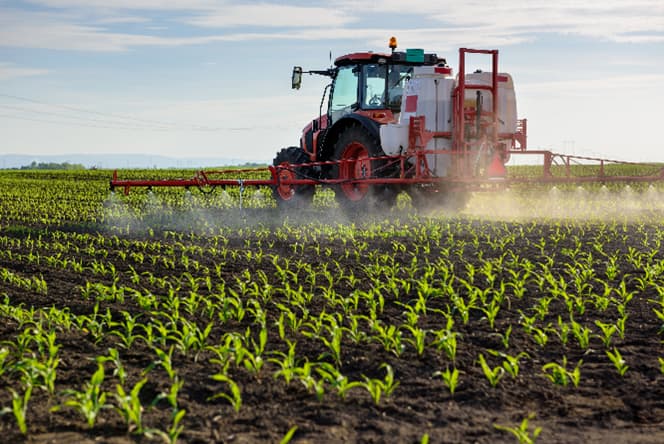
As a beginner, you’ll appreciate how neem simplifies pest management. Unlike synthetic pesticides, neem-based insecticides are safe for beneficial insects, pollinators, and the environment. Neem oil, for instance, works wonders in repelling and controlling a variety of pests, including aphids, whiteflies, and caterpillars. It disrupts the pest’s feeding and reproductive cycle, gradually reducing the infestation.
You can easily create a neem spray at home. Just mix neem oil with water and a small amount of mild soap to help it stick to plant leaves. Spray it regularly on your crops, especially during pest-prone seasons.
4. Neem as a Natural Fungicide
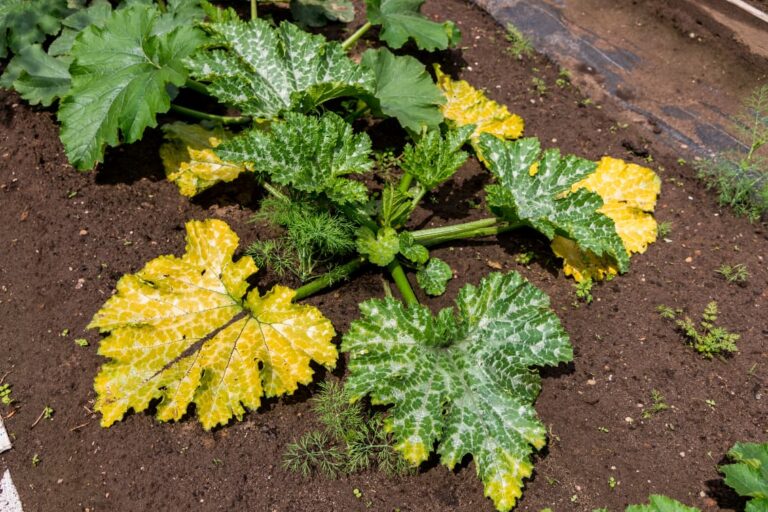
Fungal diseases, like powdery mildew or blight, can be a nightmare for organic farmers. Thankfully, neem has antifungal properties that can help prevent these issues. By incorporating neem oil sprays or neem powder, you can protect your crops from fungal attacks without resorting to harsh chemicals.
5. Crop Rotation and Companion Planting
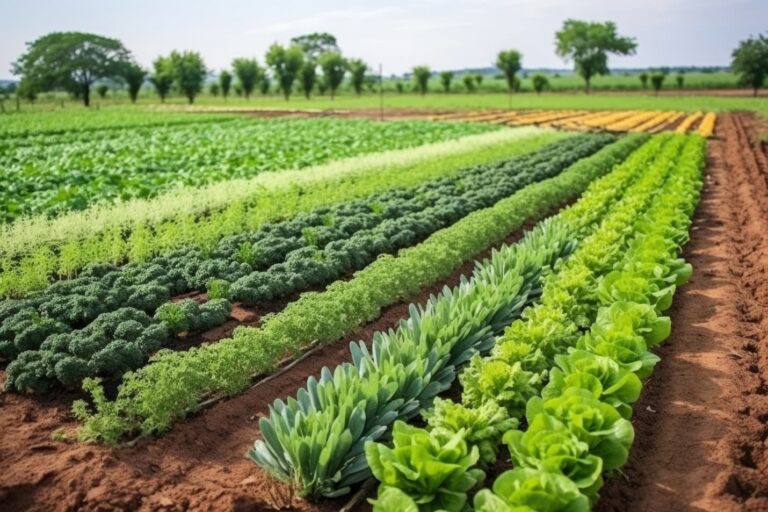
One of the principles of organic farming is crop rotation, and neem fits right into this strategy. Rotate your crops to maintain soil fertility and prevent the build-up of pests. Additionally, companion planting with neem helps deter harmful insects while promoting healthy growth for nearby crops. You can plant neem alongside your tomatoes, cucumbers, or other crops to naturally keep pests at bay.
Neem’s Environmental Benefits: More Than Just Pest Control
While neem is an effective tool for organic farming, its benefits extend far beyond the garden bed. By adopting neem-based farming practices, you’re not just protecting your crops; you’re also contributing to a cleaner, healthier environment.
Neem’s natural properties reduce the need for synthetic chemicals that can pollute water systems, harm wildlife, and affect soil health. Plus, the tree itself has a relatively low water footprint, making it a sustainable choice for dryland farming.
Challenges and How to Overcome Them
Like any farming method, neem-based organic farming comes with its own set of challenges, especially when you’re just starting out. Neem-based solutions may take time to show results compared to traditional chemical treatments, so patience is key. Also, neem products need to be applied regularly to be effective.
To ensure success, start small. Focus on one or two crops, test neem-based solutions, and gradually scale up as you gain confidence and experience.
Final Thoughts: Neem—The Sustainable Farming Revolution
Neem-based organic farming is more than just a trend; it’s a shift toward a sustainable, eco-friendly way of producing food. For beginners, it’s an excellent starting point in building a more natural and less chemically-dependent farm. With its ability to enhance soil health, control pests, and boost crop growth, neem offers a variety of benefits for both the environment and your bottom line.
So, whether you’re looking to start your own farm or make the transition to organic methods, neem is here to help. Embrace the power of nature, and let neem guide you on your journey to sustainable, chemical-free farming. Happy farming! 🌱