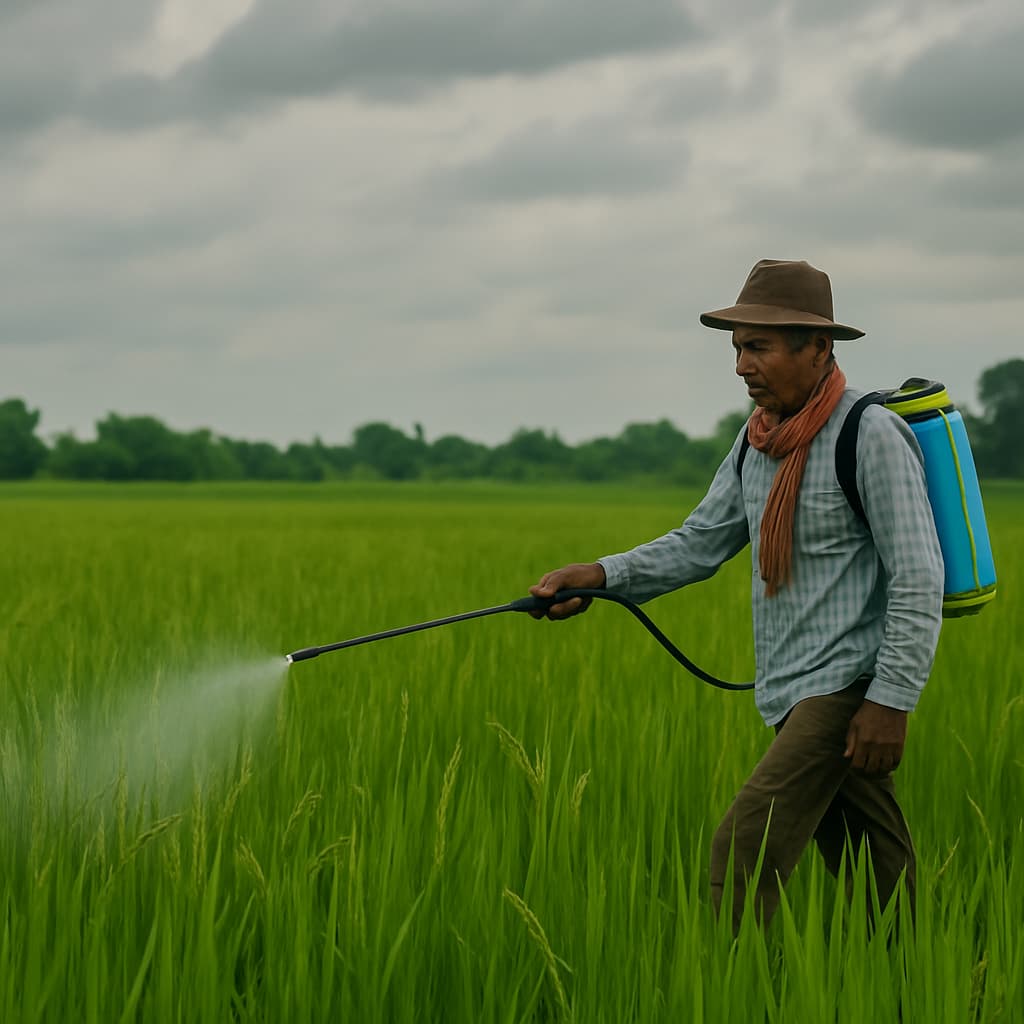
The Kharif season—spanning from June to October—is a crucial period for Indian agriculture. With crops like rice, maize, soybean, cotton, and pulses sown during the monsoon, this season also brings along the heightened risk of pest infestations. Managing these pests effectively is essential to safeguard crop yields and ensure sustainable farming practices.
Chemical pesticides may offer quick results, but their long-term use often leads to resistance, environmental damage, and health hazards. Fortunately, nature offers a powerful alternative—Neem-based pest management.
In this blog, we explore the key pests that attack Kharif crops and how neem-based products like Bug Buster, Azadirachtin Technical, and its Azadirachtin Formulations can provide safe, effective, and eco-friendly protection.
Common Pests in Kharif Crops
Here are some notorious pests that threaten Kharif crops:
- Rice
- Pests: Stem borers, leaf folders, brown planthoppers
- Impact: Stunted growth, leaf damage, and reduced grain yield
- Cotton
- Pests: Bollworms, aphids, whiteflies
- Impact: Boll damage, plant weakening, viral disease transmission
- Soybean
- Pests: Girdle beetle, stem fly, leaf miner
- Impact: Leaf skeletonization and stem damage
- Pulses (e.g., pigeon pea, green gram)
- Pests: Pod borers, aphids, thrips
- Impact: Poor pod development, flower drop
Why Neem for Pest Management?
Neem (Azadirachta indica) has been a cornerstone of traditional Indian agriculture. Its bioactive compound, Azadirachtin, is renowned for its:
- Antifeedant properties – discouraging insects from feeding
- Growth inhibition – disrupting molting and reproduction
- Repellent effect – keeping pests away without killing beneficial organisms
- Biodegradability – safe for the environment and human health
Neem-Based Products for Kharif Pest Control
🌿 1. Bug Buster
A broad-spectrum bio-pesticide derived from neem extracts, Bug Buster targets a wide range of soft-bodied pests like whiteflies, aphids, and thrips.
How it works:
- Interferes with insect feeding and hormone systems
- Safe for beneficial insects like bees and ladybugs
- Ideal for foliar spray during early infestation stages
Recommended Crops: Cotton, pulses, vegetables, and fruit crops during the Kharif season
This is the concentrated active ingredient extracted from neem seeds. Azadirachtin Technical is primarily used in manufacturing high-quality neem pesticide formulations.
Key Features:
- High purity (varied concentrations such as 3000 ppm to 10000 ppm)
- Acts as a strong antifeedant and insect growth regulator
- Used by agrochemical companies to produce customized solutions
Usage: Suitable for large-scale production or for research and development in crop protection.
🌿 3. Azadirachtin Technical Formulation
These are ready-to-use commercial-grade formulations available in different strengths (e.g., 0.15%, 0.3%). They are widely used in field applications for both preventive and curative pest control.
Benefits:
- Ready for direct use by farmers
- Cost-effective and easy to apply
- Long-lasting effect with minimal residue
Target Pests: Leaf hoppers, stem borers, and sucking insects commonly seen during monsoons
Application Tips for Farmers
- Early Detection: Monitor fields weekly for signs of pests
- Correct Timing: Apply neem formulations in the early morning or late evening to maximize effectiveness
- Dosage: Follow label instructions carefully to avoid under- or over-application
- Rotation Strategy: Combine with other organic practices to prevent resistance buildup
Final Thoughts
Pest management during the Kharif season doesn’t have to rely on harmful chemicals. Neem-based solutions such as Bug Buster, Azadirachtin Technical, and its formulations offer a sustainable, effective, and environment-friendly alternative for farmers looking to protect their crops and promote long-term soil and ecological health.
By choosing natural pest control, you’re not just saving your crops—you’re nurturing a healthier planet.
Explore our full range of neem-based agricultural solutions and join the movement toward safer, smarter farming today.