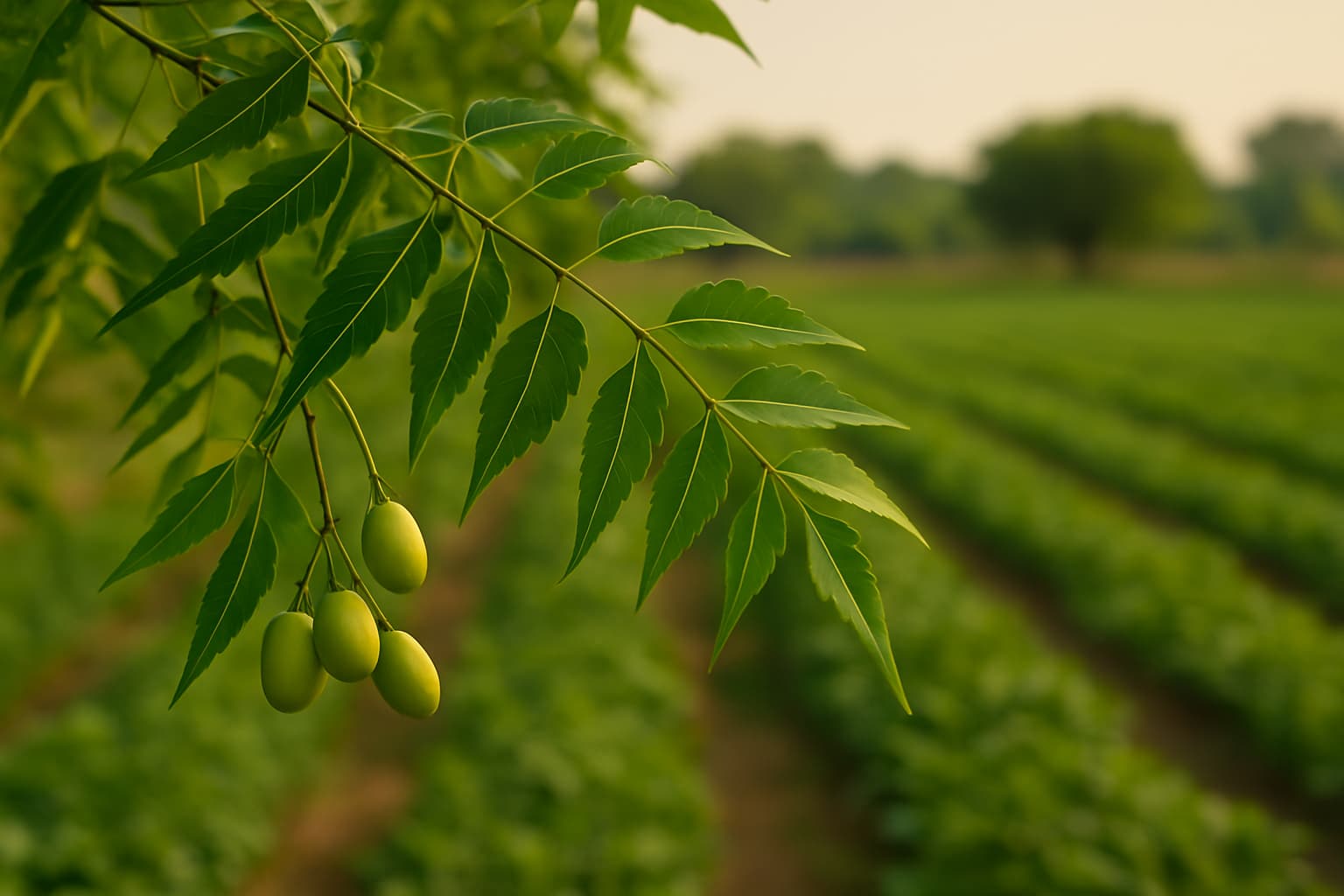
In the quest for sustainable agriculture, few natural allies stand out quite like neem. Revered for centuries in traditional farming systems, especially in South Asia, neem (Azadirachta indica) has transitioned from folk remedy to scientifically validated bio-pesticide. In a world increasingly wary of synthetic agrochemicals, neem offers a compelling case for nature-based pest management that is both effective and ecologically responsible.
But neem isn’t just another “green alternative.” It represents a systems-level shift in how we think about pest control—one that aligns with ecological resilience, long-term soil health, and regenerative farming practices.
What Makes Neem So Unique in Pest Control?
Neem is a biochemical powerhouse. Its seeds and leaves are rich in limonoids—most notably azadirachtin, salannin, and nimbin—which act as insect repellents, feeding inhibitors, sterilants, and molting disruptors. Unlike synthetic pesticides that tend to target a specific biological pathway, neem’s mode of action is multifaceted, making it particularly difficult for pests to develop resistance.
Here’s how neem functions at a more technical level:
- Azadirachtin interferes with the hormonal systems of insects, particularly by mimicking or disrupting ecdysone, the hormone responsible for molting and reproduction. This leads to malformed larvae and pupae, which are unable to develop into reproductive adults.
- Salannin and nimbin act as antifeedants and oviposition deterrents, reducing crop damage and interrupting pest population dynamics early in the lifecycle.
- Neem also possesses fungistatic properties, helping suppress diseases like powdery mildew, rusts, and black spot, especially in high-value horticultural crops.
The Case Against Agrochemicals: A Brief Recap
Conventional agriculture often relies on organophosphates, carbamates, and neonicotinoids—many of which are broad-spectrum, meaning they kill not only pests but beneficial organisms like pollinators, predatory insects, and even soil microbes. Their overuse has been linked to:
- Soil and water contamination
- Collapsing bee populations
- Pesticide-resistant “super pests”
- Long-term health risks to farmers and consumers
In contrast, neem-based biopesticides offer a more selective and biodegradable alternative that breaks down within days to weeks, without persistent residues or long-term ecological disruption.
How Neem Is Transforming Organic Pest Control
- Central to Integrated Pest Management (IPM)
Neem products are increasingly being integrated into IPM frameworks as a first line of defense. Their efficacy against over 200 pest species—including aphids, mites, nematodes, thrips, and beetles—makes them a versatile tool that reduces reliance on harsher chemical controls. - Enhances Soil Microbiome Health
Emerging research suggests that neem cake (the residue left after oil extraction) not only acts as a natural fertilizer but also supports beneficial soil microbial activity. It can suppress root-knot nematodes and improve nitrogen fixation when used in combination with microbial inoculants. - Reduces Secondary Pest Outbreaks
Broad-spectrum pesticides often eliminate natural predators, creating a vacuum that allows secondary pests to proliferate. Neem’s more nuanced impact helps preserve ecological checks and balances. - Lower Risk of Resistance Development
The complexity of neem’s active compounds and its sub-lethal, behavior-modifying effects make it harder for pests to develop resistance, unlike single-pathway synthetic insecticides. Studies have shown that even after multiple generations, pest populations remain susceptible to azadirachtin. - Safe for Pollinators and Non-target Species
At recommended application rates, neem is largely non-toxic to bees, butterflies, birds, and mammals. This makes it especially valuable in pollinator-dependent crop systems.
Innovations & New Applications
Neem research is constantly evolving. Here are a few promising developments:
- Nanoformulations of neem extract are being developed to improve stability, reduce photodegradation, and enhance controlled release over time.
- Neem-based biopolymer coatings on seeds have shown potential for protecting seedlings against early-stage soil-borne pests and pathogens without impairing germination.
- New formulations that combine neem with microbial biocontrol agents (like Bacillus thuringiensis or Trichoderma spp.) are being trialed to create synergistic effects and cover a wider pest spectrum.
Final Thoughts: Neem and the Future of Regenerative Agriculture
Neem is not just a product—it’s part of a philosophy of farming that values balance, long-term soil vitality, and ecosystem services. It reflects a paradigm shift: from fighting nature to working with it.
As more farmers transition toward organic and regenerative systems, neem will likely continue to play a pivotal role. Not as a cure-all, but as a cornerstone in a diverse toolkit of sustainable practices.
So, whether you’re a small-scale organic grower or managing a large agroecological system, neem invites us to revisit an age-old truth: sometimes, the best innovations are the ones rooted in tradition.