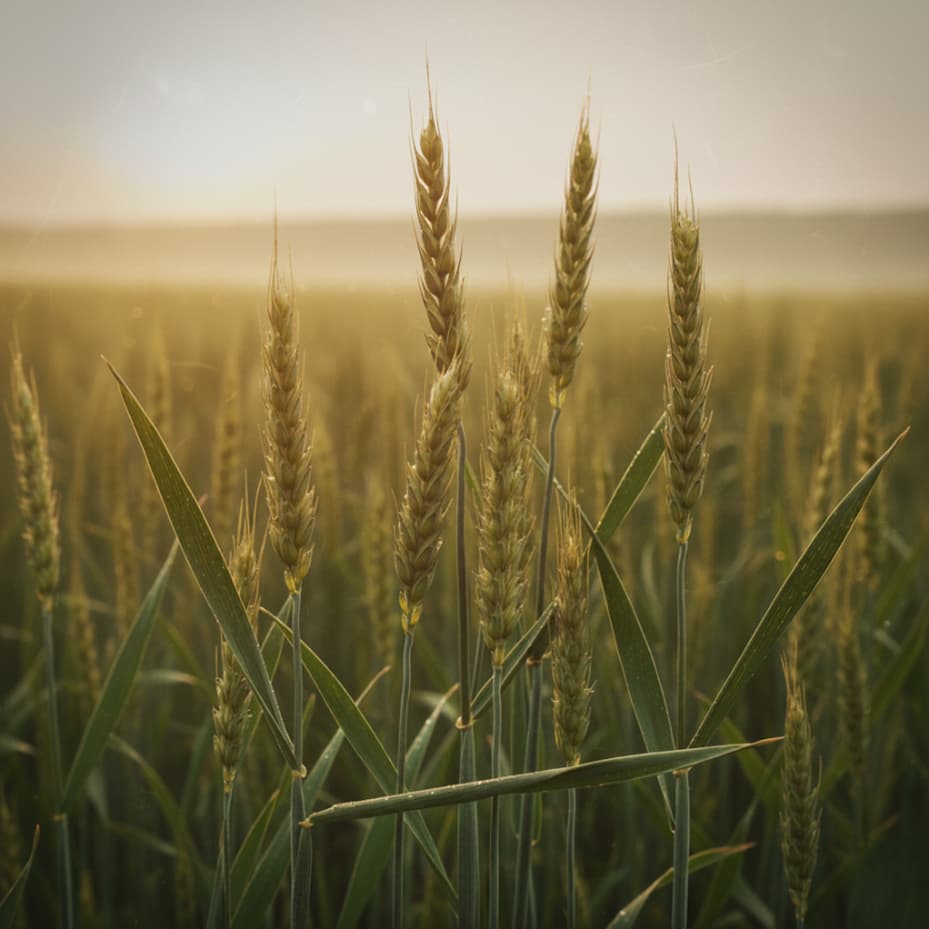
Cereal crops such as rice, wheat, maize, barley, sorghum, and millets form the backbone of global food security. In India alone, millions of farmers depend on cereals for both income and sustenance. However, these crops are constantly threatened by insect pests, fungal diseases, soil-borne pathogens, and resistance to chemical pesticides.
As farming systems move toward sustainability, **neem** (*Azadirachta indica*) has emerged as one of the most reliable, eco-friendly, and farmer-safe solutions for protecting cereal crops. Used for centuries in traditional agriculture and now backed by modern science, neem-based solutions offer multi-layered protection without harming soil health, beneficial insects, or human well-being.
This blog explores how neem protects cereal crops from pests and diseases, the science behind its effectiveness, and why it plays a crucial role in modern, sustainable agriculture.
The Pest and Disease Challenge in Cereal Crops
Major Insect Pests:
- Stem borers (rice, maize)
- Aphids (wheat, barley)
- Armyworms and Cutworms
- Thrips and Brown planthopper (rice)
Common Diseases:
- Blast disease (rice) and Rusts (wheat)
- Powdery mildew and Leaf blights
- Root rot and damping-off
Conventional chemical pesticides may provide quick knockdown, but long-term use leads to pest resistance, residue accumulation in grain, destruction of beneficial insects, and significant health risks for farmers. Neem offers a fundamentally different approach—prevention, balance, and long-term resilience.
What Makes Neem So Powerful in Crop Protection?
Neem is not a single-action pesticide. It is a complex botanical system containing over 100 biologically active compounds, the most important being **Azadirachtin**, **Nimbin**, **Salannin**, and **Meliantriol**. These compounds work together to protect crops in ways that synthetic chemicals cannot replicate.
How Neem Protects Cereal Crops from Pests
1. Neem Disrupts the Pest Life Cycle
Unlike chemical pesticides that kill instantly, neem works by interrupting insect growth and reproduction. It prevents larvae from molting, stops insects from reaching adulthood, and reduces egg-laying capacity. This is particularly effective against stem borers, armyworms, and aphids.
2. Powerful Antifeedant Action
Neem compounds make plant tissues unpalatable. Pests stop feeding within hours, meaning crop damage reduces even before pest death. This is ideal for sucking and chewing insects in wheat and rice.
3. Repellent Effect Without Killing Beneficial Insects
Neem repels harmful insects while sparing beneficial predators such as ladybird beetles, lacewings, spiders, and parasitic wasps. Neem supports Integrated Pest Management (IPM) by restoring ecological balance.
Neem’s Role in Disease Management of Cereal Crops
Neem is also a potent antifungal and antibacterial agent. It inhibits the growth of fungi responsible for **rice blast, leaf spot, and root rot**. When used as a seed treatment or soil application, neem suppresses harmful pathogens and encourages beneficial microbes.
Furthermore, neem activates **Induced Systemic Resistance (ISR)**. Cereal plants treated with neem develop stronger cell walls and enhanced enzyme activity, helping the crop withstand both biological and environmental stress.
Neem Across the Cereal Crop Lifecycle
- Seed Treatment: Protects from soil pathogens and improves germination.
- Vegetative Growth: Controls sucking/chewing pests and enhances leaf health.
- Flowering and Grain Filling: Prevents late-season infestations and improves grain weight.
Neem vs Chemical Pesticides in Cereal Farming
| Aspect | Neem-Based Solutions | Chemical Pesticides |
|---|---|---|
| Mode of Action | Multi-target, biological | Single-target |
| Resistance Risk | Very low | High |
| Residues in Grain | Negligible | Often present |
| Impact on Beneficials | Safe | Harmful |
| Farmer Safety | High | Risky |
Farmer Health and Modern Application
Cereal farmers often spray crops multiple times a season. Neem-based products significantly reduce skin irritation, respiratory issues, and long-term toxic exposure. Today’s neem products are standardized, scientifically formulated (ECs, oils, granules), and fully compatible with modern spraying equipment.
Best Practices for Using Neem
- Apply during early pest stages for maximum impact.
- Integrate with IPM strategies (monitoring and natural predators).
- Combine soil (neem cake) and foliar applications.
- Avoid spraying during peak pollinator activity (dawn/dusk).
Conclusion: Neem as a Natural Shield for Cereal Crops
Neem protects cereal crops not through aggression, but through intelligence, balance, and resilience. By disrupting pest life cycles, preventing diseases, strengthening soil health, and safeguarding farmer well-being, neem delivers comprehensive protection without compromising the future of farming.
For cereal growers seeking sustainable yields, safer practices, and long-term profitability, neem is not an alternative—it is an essential ally.