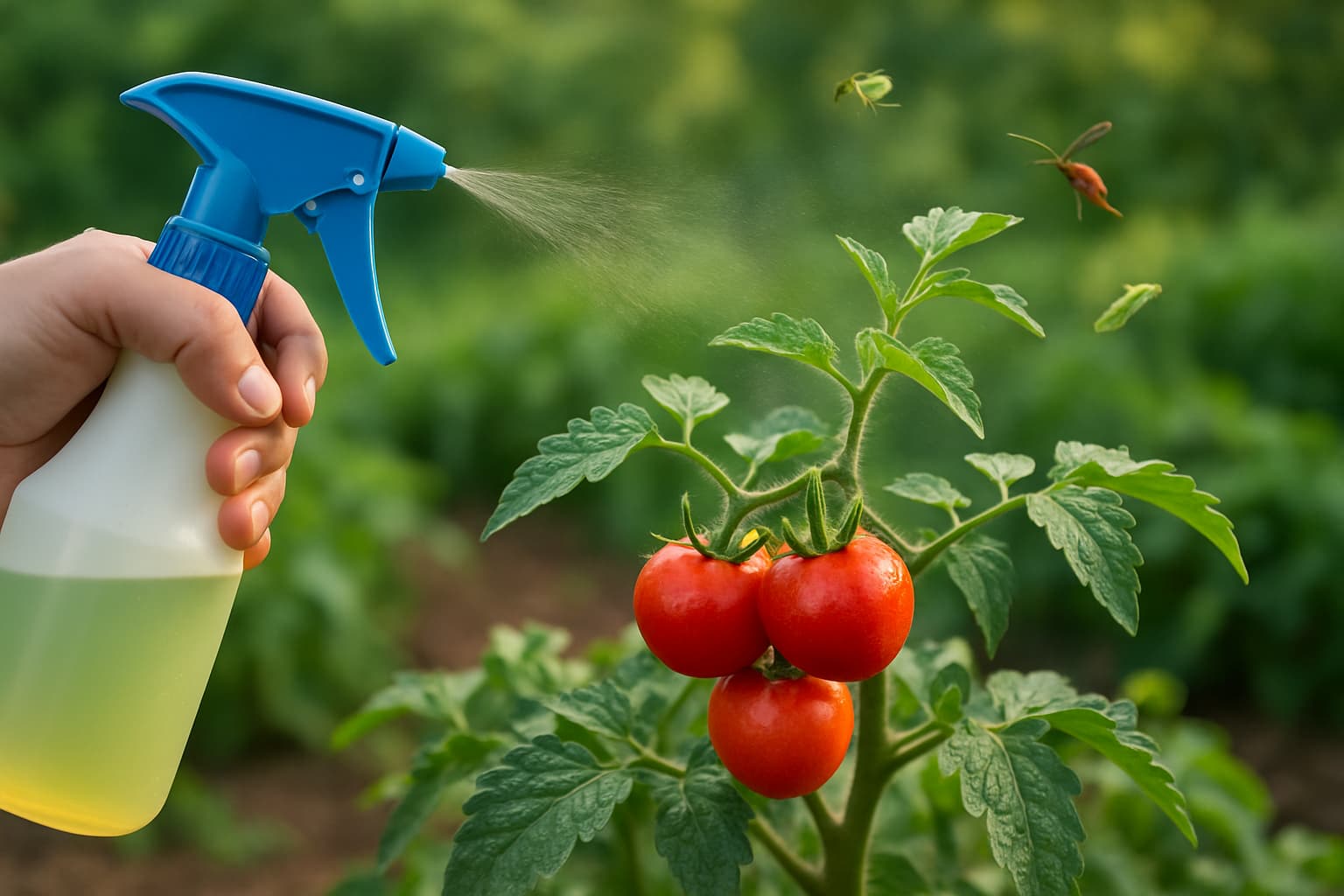
In the age of organic farming and sustainable agriculture, neem-based pesticides have become a buzzword among farmers, gardeners, and conscious consumers. But how do these natural warriors actually work against insect infestations? What makes neem oil pesticide different from synthetic chemicals? Can you really protect your plants using just neem-based bio-pesticides?
Let’s dig deep into the science, effectiveness, and practical use of neem pesticides—and by the end of this blog, you’ll know exactly how and why they work!
What Is Neem and Why Is It Powerful?
Neem (Azadirachta indica) is a tree native to the Indian subcontinent, known for its medicinal and insecticidal properties. Almost every part of the neem tree has a purpose—especially the seeds, which are used to extract neem oil, the primary ingredient in neem-based pesticides.
Key Compounds in Neem:
- Azadirachtin: The star bioactive molecule that acts as an insect growth regulator.
- Nimbin & Salannin: Help deter feeding and reproduction.
- Gedunin: Contributes to insect repellency and fungal control.
These compounds act synergistically to disrupt various physiological and behavioral aspects of insects.
How Do Neem-Based Pesticides Work?
Neem doesn’t kill insects instantly like synthetic pesticides. Instead, it works biologically and behaviorally to interfere with their survival and reproduction. Here’s how:
- 🧠 Disruption of Insect Hormones
Neem mimics insect hormones and blocks their molting process, especially in larvae and nymphs. This disrupts the normal life cycle of pests like:
- Aphids
- Whiteflies
- Mealybugs
- Caterpillars
- Mites
- 🍽️ Anti-Feeding Effect (Antifeedant)
Insects lose their appetite after contact with neem, reducing crop damage.
🔍 Example: After spraying neem oil on brinjal (eggplant), farmers noticed reduced leaf damage within 48 hours.
- 💔 Disruption of Reproduction
Azadirachtin blocks mating signals in insects, reducing egg-laying and future generations.
Bonus: Eggs laid after neem treatment often don’t hatch!
- 🦟 Repellent Action
The strong bitter taste and odor repel many pests, including mosquitoes, making neem ideal for household gardens too.
- 💀 Gradual Mortality
Neem does not cause instant death but causes gradual mortality due to starvation and biological disruption. It’s slower but safer.
Benefits of Neem-Based Pesticides Over Synthetic Pesticides
Let’s compare neem-based pesticides with chemical ones in real-world farming scenarios:
| Factor | Neem-Based Pesticide | Synthetic Pesticide |
| Mode of Action | Hormonal disruption & deterrence | Nervous system poisoning |
| Residue | No harmful residue | Leaves toxic residue |
| Effect on Soil | Enhances microbial life | Destroys soil microbes |
| Pollinators | Safe for bees & butterflies | Harmful to non-target insects |
| Resistance | Low chance of resistance | High chance of resistance development |
| Cost | Cost-effective long term | Expensive due to repeat use |
Scientific Backing: What Research Says
- ICAR Studies confirm neem oil‘s effectiveness against over 200 insect species.
- International Journal of Agricultural Science reported over 80% mortality in aphids after 72 hours of neem spray.
- FAO recognizes neem as a sustainable alternative to conventional pesticides in Integrated Pest Management (IPM).
Application Tips for Maximum Effectiveness
✅ Neem Oil Emulsification:
Mix neem oil (100% cold-pressed) with a mild soap before adding water to make it sprayable.
Recommended Dosage:
- Vegetables & flowers: 3-5 ml per liter
- Orchards & fruit crops: 5-10 ml per liter
- Field crops: 4-6 ml per liter
✅ Best Time to Spray:
- Early morning or late evening
- Avoid strong sunlight and rainfall
- Target the undersides of leaves
Environmental & Long-Term Advantages
- 🌿 Biodegradable: Breaks down in sunlight and soil
- 🐝 Bee-Friendly: Doesn’t harm beneficial insects if sprayed responsibly
- 🧬 No Resistance Build-Up: Insects don’t easily adapt to neem
- 👣 Sustainable Agriculture: Reduces carbon footprint and pesticide pollution
Conclusion: Should You Switch to Neem-Based Pesticides?
If you’re looking for a safe, sustainable, and effective pest control method, neem-based pesticides offer a well-rounded solution. They may not give instant gratification, but they protect your crops, health, and the planet in the long run.
Whether you’re a backyard gardener or a large-scale organic farmer, integrating neem pesticides into your crop protection regime is a smart, eco-conscious move. Plus, they pair beautifully with biofertilizers, biofungicides, and other natural farming practices.
📢 Let’s Hear from You!
- Have you used neem-based pesticides before?
- What pest did you control and what was your result?
- Do you mix neem with other bio-inputs?
💬 Share your experience in the comments and help other farmers grow better, naturally!