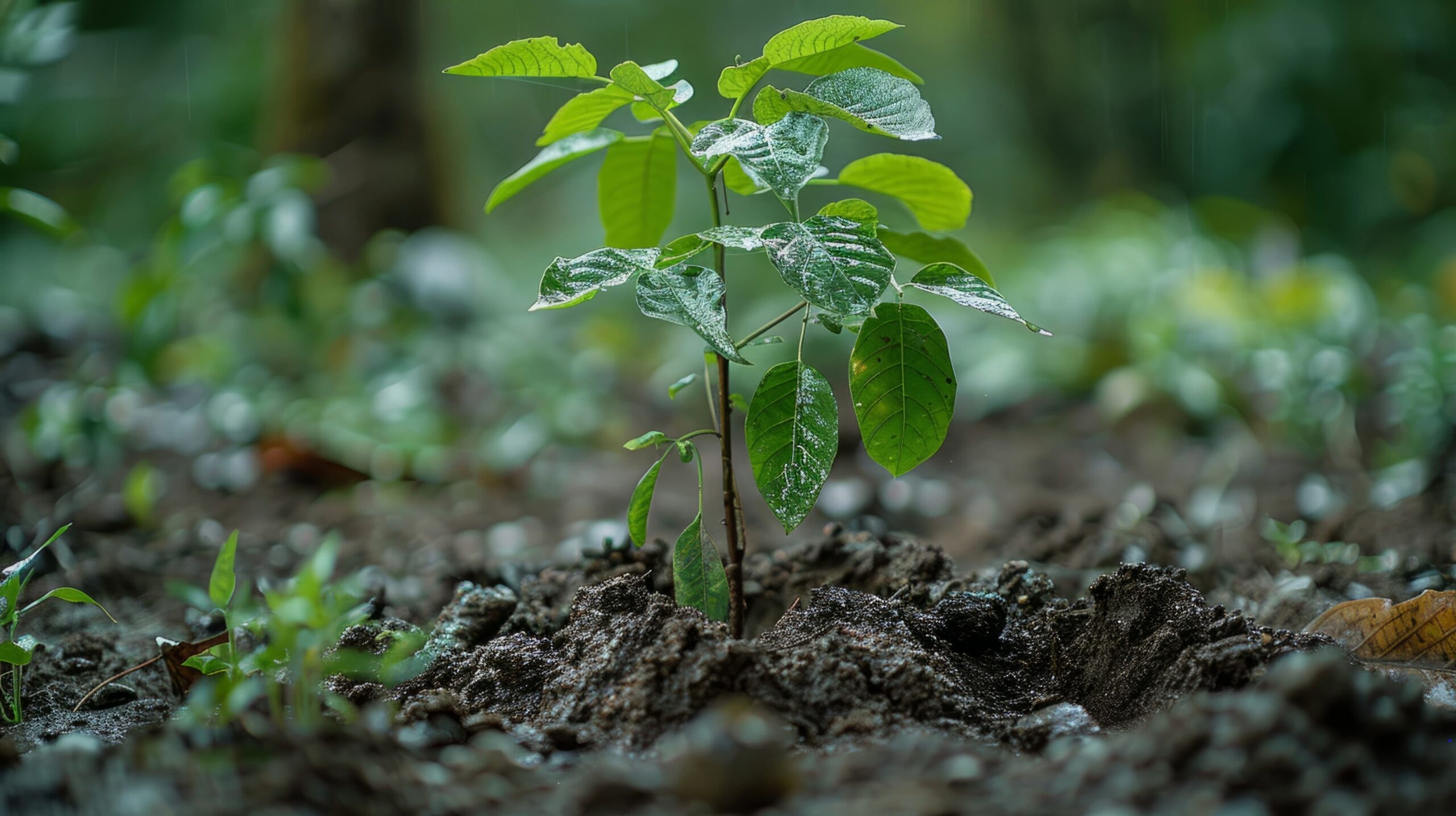
Soil is the foundation of agriculture, but decades of chemical-intensive farming, overgrazing, and unsustainable land management have left vast tracts of farmland degraded and unproductive. Restoring these soils is crucial for food security, biodiversity, and climate resilience. One natural solution that has been gaining recognition is neem (Azadirachta indica)—a multipurpose tree revered in traditional farming systems for its ecological and agricultural benefits.
The Problem of Soil Degradation
Degraded soils suffer from:
- Loss of organic matter
- Nutrient depletion
- Reduced microbial diversity
- Increased salinity and acidity
- Susceptibility to erosion and compaction
This results in declining crop yields, increased reliance on chemical inputs, and long-term unsustainability. Restoring soil health requires reintroducing organic matter, revitalizing microbial activity, and reducing dependence on synthetic chemicals.
Neem: Nature’s Soil Healer
Neem has been used in agriculture for centuries, but modern research now highlights its role in restoring soil health. Here are some key ways neem contributes:
- Improves Soil Fertility
Neem’s natural compounds (azadirachtin, nimbin, and salannin) act as eco-friendly biofertilizer. Neem leaves, bark, and seed cake are rich in organic matter and nutrients like nitrogen, phosphorus, and potassium. When incorporated into soil, they act as slow-release fertilizers, replenishing nutrients naturally.
- Boosts Microbial Activity
Neem-based amendments stimulate beneficial soil microbes while suppressing harmful pathogens. Healthy microbial communities break down organic matter, fix nitrogen, and improve nutrient cycling—restoring soil vitality.
- Reduces Soil Toxicity
Continuous use of chemical fertilizers often leads to soil toxicity and hardening. Neem cake, when mixed with urea or other fertilizers, reduces nitrogen loss through volatilization and leaching, making nutrients more available to plants while minimizing chemical residues.
- Controls Soil-Borne Pests and Diseases
Neem’s natural compounds (azadirachtin, nimbin, and salannin) act as eco-friendly biopesticides. They suppress nematodes, fungi, and harmful insects in the soil without harming beneficial organisms—maintaining a balanced soil ecosystem.
- Enhances Soil Structure and Water Retention
The organic matter from neem improves soil texture, prevents compaction, and enhances water-holding capacity. This is particularly valuable in arid and semi-arid regions where water scarcity worsens soil degradation.
- Supports Regenerative Agriculture
Neem aligns with regenerative practices by reducing dependency on synthetic inputs, encouraging natural nutrient cycling, and contributing to long-term soil restoration.
Practical Ways to Use Neem for Soil Health
- Neem Cake Application: Apply neem seed cake directly into the soil as an organic amendment.
- Neem Coated Fertilizers: Use neem-coated urea to reduce nitrogen loss and improve fertilizer efficiency.
- Neem Leaf Compost: Add dried neem leaves to compost piles for enriched organic matter.
- Neem Mulching: Spread neem leaves as mulch to suppress weeds, conserve moisture, and nourish soil.
Final Thoughts
Neem is more than just a natural pesticide—it is a powerful ally in rebuilding soil fertility, structure, and biodiversity. By integrating neem into sustainable farming practices, degraded lands can be revived, ensuring healthier soils, better yields, and a more resilient agricultural system for future generations.