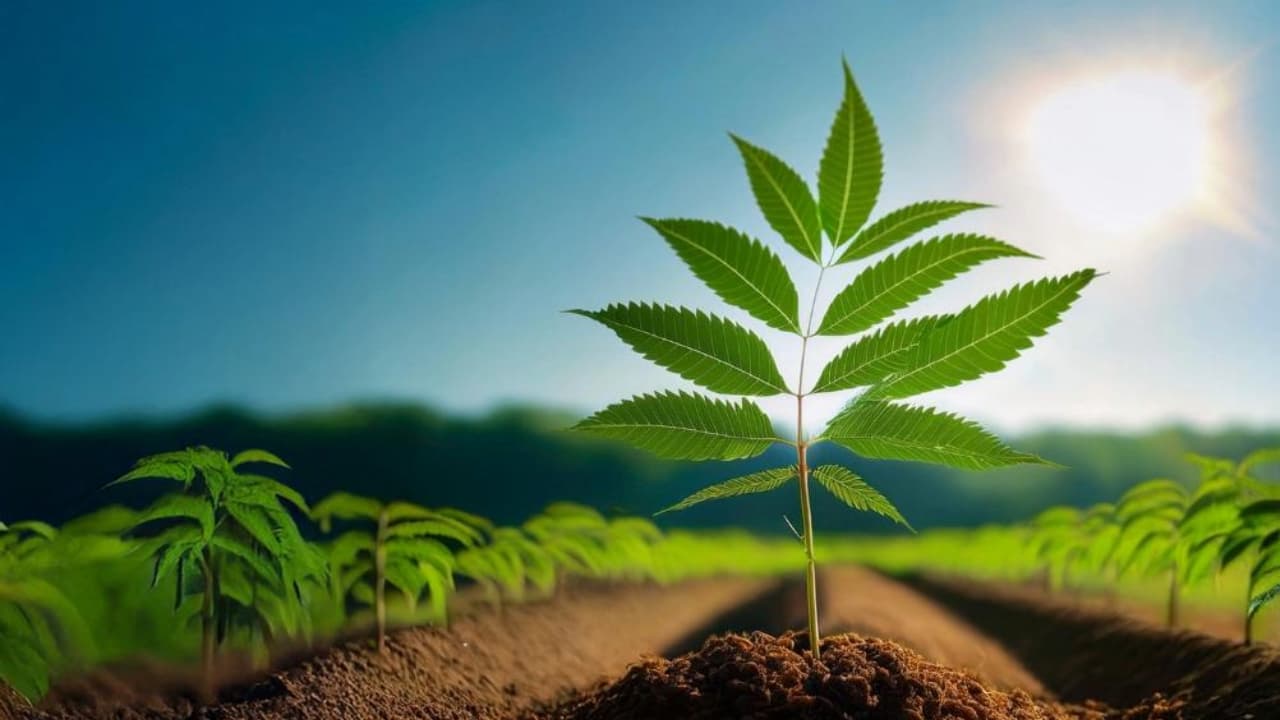
In recent years, there has been a significant shift in the way we think about agriculture. As the world wakes up to the long-term effects of chemical farming, a more natural, sustainable approach is gaining momentum—one that puts nature back in charge. And at the heart of this revolution is a small but mighty hero: Neem.
If you’ve ever spent time around farming communities or even in your own backyard garden, you might have heard the name neem tossed around. But neem isn’t just a buzzword; it’s a time-tested, scientifically-proven powerhouse that holds the key to a future where farming can thrive in harmony with nature.
In this guide, we’ll take a deep dive into neem-based farming, from its history to its benefits, and why it’s becoming the go-to solution for farmers looking to grow healthier crops without compromising on sustainability.
A Brief History of Neem in Agriculture
Neem (Azadirachta indica), often called the “wonder tree” of India, has been used for centuries in traditional farming. Its leaves, seeds, bark, and oil have been valued for their medicinal properties, pest-repelling abilities, and soil-enriching nutrients. The ancient farmers of India were ahead of their time when they realized that neem wasn’t just a tree—it was a farming toolkit.
Fast forward to today, and the global agriculture community is catching on. Neem-based farming methods are being embraced by both small-scale farmers and large agribusinesses alike. The reason? Neem offers a natural alternative to the chemical fertilizers and pesticides that have caused so much damage to the environment.
What Makes Neem So Special?
So, what exactly is it about neem that makes it a game-changer for farming? Here are just a few reasons:
1. Natural Pest Control: Neem contains a compound called azadirachtin, which is a natural pesticide. It doesn’t just kill pests outright; it disrupts their breeding and feeding cycles, making it a more sustainable option that doesn’t harm beneficial insects like bees.
2. Organic Fertilizer: Neem cake (the byproduct left after extracting neem oil) is an excellent organic fertilizer. It enriches the soil with essential nutrients and improves its water retention capacity, making the land more fertile over time.
3. Eco-Friendly: Unlike chemical pesticides and fertilizers that can pollute waterways and degrade soil health, neem-based products are biodegradable and non-toxic, making them safe for the environment, wildlife, and humans.
4. Boosts Crop Resilience: Neem helps strengthen plant immune systems, making crops more resistant to diseases and harsh weather conditions. Healthier plants mean higher yields and less dependency on external inputs like synthetic fertilizers.
5. Cost-Effective: Since neem products are derived from natural resources, they are often more affordable for farmers in the long run. They reduce the need for expensive chemical treatments and boost soil health, leading to better crop cycles year after year.
How to Get Started with Neem-Based Farming
If you’re intrigued by the benefits of neem-based farming, you’re probably wondering how to incorporate it into your own agricultural practices. Here’s a simple step-by-step guide to get you started:
1.Soil Preparation with Neem Cake: Before planting, mix neem cake into the soil. This will act as a slow-release fertilizer, providing your crops with essential nutrients over time and improving soil structure. It also acts as a natural pest deterrent, safeguarding your seeds before they even sprout.
2. Neem Oil for Pest Control: Once your crops are in the ground, neem oil can be used as a foliar spray to keep pests at bay. Mix neem oil with water and a few drops of mild soap, then spray it on the plants every two weeks to ward off pests like aphids, mites, and caterpillars.
3. Neem in Crop Rotation: Use neem in conjunction with crop rotation practices. Since neem enriches the soil and deters pests, rotating your crops with neem-treated soil ensures that pests don’t have a chance to build up resistance, keeping your farm healthy year-round.
4. Neem as a Soil Conditioner: Over time, regular use of neem cake or neem compost will naturally condition your soil. This means you’ll see better moisture retention, improved root systems, and an overall boost in soil fertility—leading to healthier, more robust crops.
The Future of Neem-Based Farming
As the demand for organic produce continues to skyrocket, the need for sustainable farming practices like neem-based farming is more critical than ever. Farmers are looking for ways to grow crops that are not only healthy for consumers but also kind to the environment. Neem fits the bill perfectly.
Beyond its benefits to crops and soil, neem is part of a larger movement toward regenerative agriculture—a system that doesn’t just avoid damage to the ecosystem but actively seeks to improve it. Farmers using neem-based methods are investing in the long-term health of their land, ensuring that future generations can continue to produce food in a way that honors and protects nature.
Final Thoughts
Neem-based farming is more than just a trend—it’s a return to the roots of sustainable agriculture. With its natural pest control properties, soil-enriching capabilities, and eco-friendly nature, neem offers a bright future for farmers and the planet alike. Whether you’re a small-scale grower or managing large acres of farmland, neem is the ally you need to produce crops that are healthier, more resilient, and better for the environment.
As you embark on your neem-based farming journey, remember that every small step you take toward sustainability makes a big difference. By choosing neem, you’re not just nurturing your crops—you’re nurturing the earth. Happy farming!