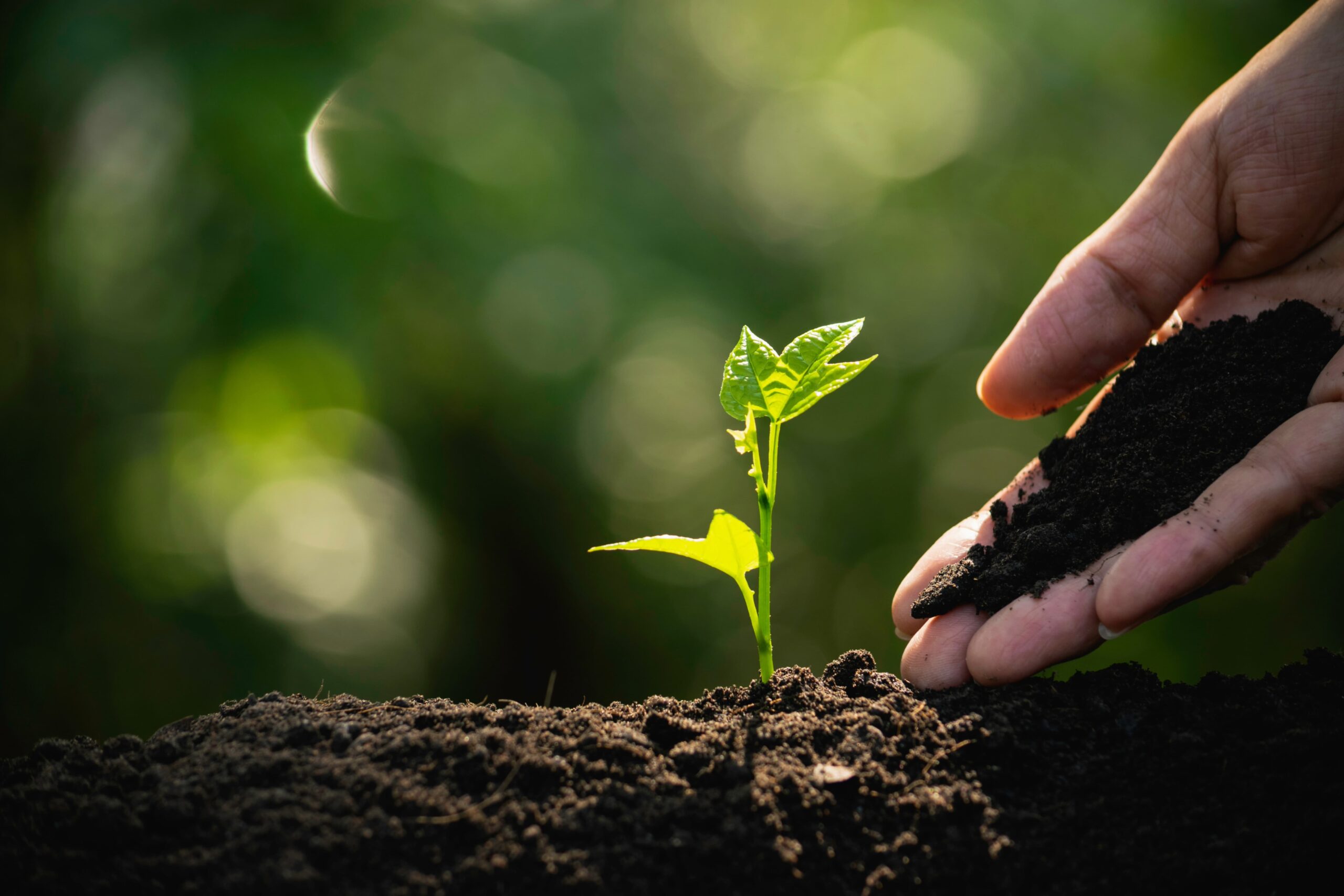
In today’s world, where the demand for sustainable and eco-friendly farming practices is growing, neem has emerged as a powerful solution. Known for its diverse benefits, neem, or Azadirachta indica, has been a trusted companion of farmers for centuries, especially in India. But neem is more than just a traditional remedy; it’s a game-changer in modern organic farming.
This article dives into how neem works as a natural fertilizer, helping farmers boost soil fertility while preserving the environment.
A Little Bit of History: Neem’s Roots in Farming
Neem’s relationship with agriculture dates back thousands of years. Long before chemical fertilizers and synthetic pesticides dominated the fields, neem was already recognized for its remarkable properties. Farmers would use neem leaves, bark, and seed extracts to enhance soil health, protect crops from pests, and ensure a healthy yield.
But what makes neem so special? Let’s explore.
The Science Behind Neem’s Fertilizing Power
Neem is packed with nutrients that contribute to soil fertility in more ways than one. Its natural compounds, like Nimbin, Azadirachtin, and Salannin, are more than just names—they play vital roles in promoting healthier crops. When neem is used as a fertilizer, either in the form of neem cake or neem-based compost, these compounds help in several ways:
1.Replenishing Nutrients: Neem is rich in essential nutrients like nitrogen, phosphorus, potassium, and calcium. These nutrients are slowly released into the soil, making them available to plants over a longer period of time, which means less need for frequent fertilization.
2. Improving Soil Structure: Neem’s organic matter enhances the soil’s ability to retain water and nutrients. This means less leaching, better root development, and an overall improvement in soil texture and health.
3. Natural Pest Control: Neem doesn’t just boost fertility—it also acts as a natural insecticide. The same compounds that make neem a potent fertilizer are also highly effective at repelling harmful pests like nematodes and aphids. This dual-action reduces the need for chemical pesticides, promoting a healthier, more balanced ecosystem.
4. Restoring Soil Balance: Excessive use of synthetic fertilizers can throw soil health off balance, leading to acidity or nutrient imbalances. Neem, on the other hand, helps restore the natural pH of the soil, encouraging the growth of beneficial microbes and earthworms.
Why Neem Fertilizer is a Win for Sustainable Farming
In an age where farming practices are scrutinized for their environmental impact, neem stands out as a sustainable hero. Here’s why:
1. Eco-Friendly: Neem is 100% natural, biodegradable, and non-toxic. Unlike chemical fertilizers, which often contribute to soil degradation and pollution of water bodies, neem supports long-term soil health.
2. Cost-Effective: Neem-based fertilizers are affordable, especially for small and marginal farmers. Since neem is abundant in countries like India, it’s easily accessible and can be locally sourced, reducing dependency on expensive synthetic inputs.
3. Promotes Biodiversity: By minimizing the use of harmful chemicals, neem encourages a thriving ecosystem in and around the farm. Beneficial insects, birds, and microorganisms flourish in neem-treated fields, contributing to a more resilient farming environment.
4. Boosts Organic Certification Potential: With organic farming gaining popularity, neem fits perfectly into organic certification requirements. Using neem as a fertilizer ensures that crops remain free from synthetic chemicals, making them more marketable as organic produce.
How to Use Neem as a Natural Fertilizer
Incorporating neem into your farming practices is simpler than you might think. Here are a few ways to use neem for enhancing soil fertility:
1. Neem Cake: This is the most common form of neem fertilizer. It’s made from neem seeds after extracting oil, and it’s packed with nutrients. Neem cake can be mixed directly into the soil or added to compost for slow-release fertilization.
2. Neem Oil-Based Compost: Neem oil can be combined with compost to create a nutrient-rich, pest-repellent mixture. This can be used to enrich the soil and provide a steady supply of nutrients to plants.
3. Neem Powder: Neem leaves can be dried and ground into a powder that can be sprinkled over crops or mixed into the soil to improve its health.
A Step Towards Healthier Crops and Happier Farmers
The use of neem as a natural fertilizer is not just about boosting yields—it’s about creating a more sustainable, organic, and eco-conscious way of farming. With neem, farmers can enhance soil fertility, protect their crops naturally, and pave the way for a future where organic agriculture is the norm rather than the exception.
As the world increasingly looks to greener solutions in agriculture, neem stands tall as a versatile and reliable ally for farmers. Whether you’re a seasoned farmer or just starting out, neem can help you grow healthier crops while caring for the planet.
So, the next time you think about fertilizers, consider neem—the natural, organic way to enhance your soil’s fertility and grow stronger, more resilient crops.
Ready to Go Organic? Neem is just one of the many natural solutions available for sustainable farming. Stay tuned to our blog for more tips on organic farming practices that can transform your fields into thriving, eco-friendly ecosystems!