
In the world of farming, where every decision impacts the land, crops, and ultimately, people’s livelihoods, choosing the right agricultural practices is crucial. Among the hottest debates today is Neem vs. Chemical farming. Which approach ensures not just a bountiful harvest today but also preserves the health of the soil and the environment for tomorrow?
Let’s dig into this issue and explore why neem, the age-old farming companion, might just be the key to sustainable long-term yields, compared to the chemically charged farming methods that have dominated the past century.
The Case for Chemical Farming
For years, chemical farming has promised and, to some extent, delivered on its key selling point: immediate results. Chemical fertilizers, pesticides, and herbicides offer rapid growth, protection from pests, and high crop yields—seemingly the perfect solution for farmers aiming to maximize profits. But what happens when we look beyond the immediate gains?
Here’s a snapshot of what chemical farming offers:
1. Boosted Short-Term Yield: Chemical fertilizers supercharge plant growth, offering farmers the allure of bigger, faster, and often more visually appealing crops.
2. Immediate Pest Control: Chemical pesticides can eliminate crop-threatening pests almost instantly, safeguarding crops from infestations.
3. Cost-Effective (At First): Initially, chemical farming seems cheaper and faster, especially for large-scale farms looking for quick returns.
The Hidden Costs of Chemical Farming
While chemical farming can boost short-term yields, the long-term effects tell a different story. What chemical farming offers in speed, it often takes away in sustainability.
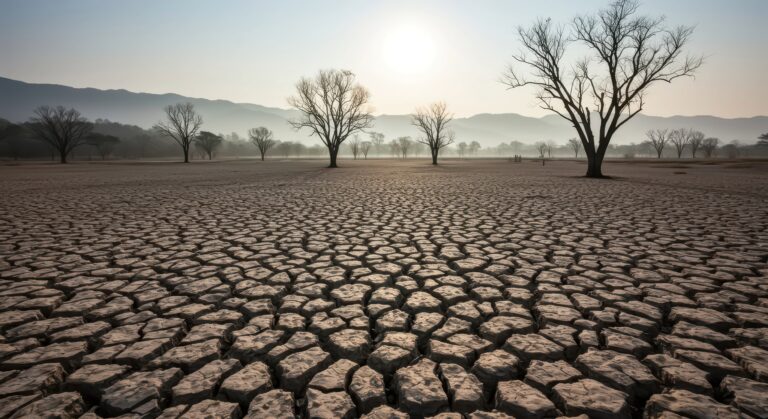
1. Soil Degradation: Over time, chemical fertilizers strip the soil of its natural nutrients, leading to soil degradation. Continuous use of chemicals reduces the soil’s ability to regenerate, which means farmers need to apply even more fertilizers each year to get the same yield—creating a vicious cycle.
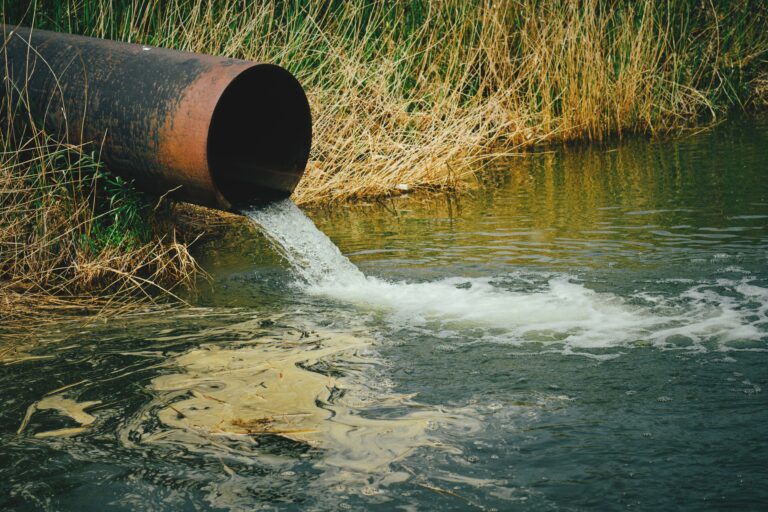
2. Water Pollution: Chemicals that are not absorbed by the soil are often washed into nearby water sources, causing pollution and harm to aquatic ecosystems. This can lead to issues such as eutrophication, where excess nutrients in water cause massive algae growth, suffocating aquatic life.
3. Pest Resistance: The overuse of chemical pesticides often leads to the development of super pests—pests that have evolved to resist chemicals. As a result, farmers may need to use even stronger, more harmful pesticides to control these pests, further harming the environment.

4. Health Risks: Exposure to chemical fertilizers and pesticides can cause severe health issues, not just for farm workers but also for consumers through residue left on produce. The long-term effects of chemicals on human health are still being studied, but the risks are undeniable.

Enter Neem: The Natural Farming Hero
Neem, often referred to as the “village pharmacy,” has been used in traditional Indian farming for centuries. This tree is not just a symbol of environmental harmony but also a powerhouse of natural farming solutions. Neem-based fertilizers and pesticides have made a comeback in recent years as part of organic farming movements, offering a sustainable, long-term alternative to chemicals.
Here’s why neem farming stands out:
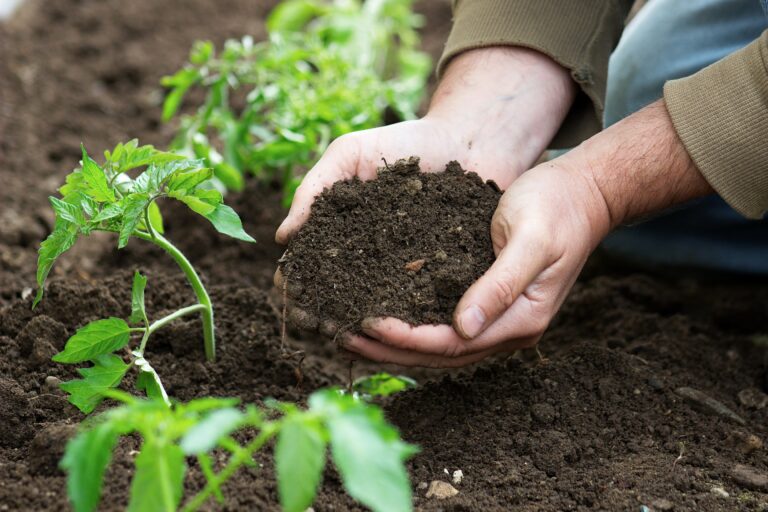
1. Soil Health Preservation: Neem enriches the soil rather than depleting it. Neem cake, a byproduct of neem oil extraction, is an excellent natural fertilizer that nourishes the soil, ensuring long-term soil fertility. Unlike chemical fertilizers, neem doesn’t strip the land of its essential nutrients but helps it regenerate naturally.
2. Natural Pest Control: Neem oil is a powerful, all-natural pesticide. Unlike chemical pesticides that kill pests indiscriminately (including beneficial insects), neem works selectively. It disrupts the life cycle of harmful insects, ensuring that your crops stay safe without causing environmental harm. Neem pesticides are also biodegradable, meaning they won’t linger in the soil or water.

3. Sustainable Yield: Neem doesn’t promise overnight miracles like chemicals. Instead, it ensures sustainable, long-term yield by maintaining soil health and reducing pest invasions without harming the surrounding environment. Over time, neem farming builds an ecosystem where crops can thrive naturally.

4. Environmental and Health Safety: Because neem is a natural product, it is safe for both the environment and human health. There are no toxic residues left behind on crops, and neem products are safe for farmworkers to handle.

5. Cost-Effective in the Long Run: While neem-based products may seem more expensive upfront, they are more cost-effective in the long run. By improving soil health, reducing the need for multiple pesticide applications, and preventing pest resistance, neem farming can lead to lower input costs and more reliable yields over time.

The Verdict: Which is Better for Long-Term Yield?
While chemical farming might offer immediate gains, it’s a short-term solution with long-term consequences. The cost to the environment, soil, and human health is simply too high. In contrast, neem farming provides a sustainable alternative that ensures the health of the soil, the ecosystem, and the people consuming the crops.
In the long run, neem-based farming practices create a resilient agricultural system that can produce high yields consistently over time without degrading the land. As more farmers transition to organic and neem-based farming, we may see a future where agriculture is not only productive but also sustainable, eco-friendly, and safe for all.
Conclusion: Choosing the Future
As we face increasing global challenges like climate change, soil degradation, and food security, it’s clear that we need to rethink our agricultural practices. Neem-based farming, with its emphasis on sustainability and environmental stewardship, offers a clear path forward. The future of farming should be one where yields are bountiful, but not at the expense of the planet’s health.
So, if you’re a farmer wondering whether neem or chemical farming will secure your future, the answer is clear. Neem, with its natural, long-term benefits, is the key to unlocking sustainable agricultural success.