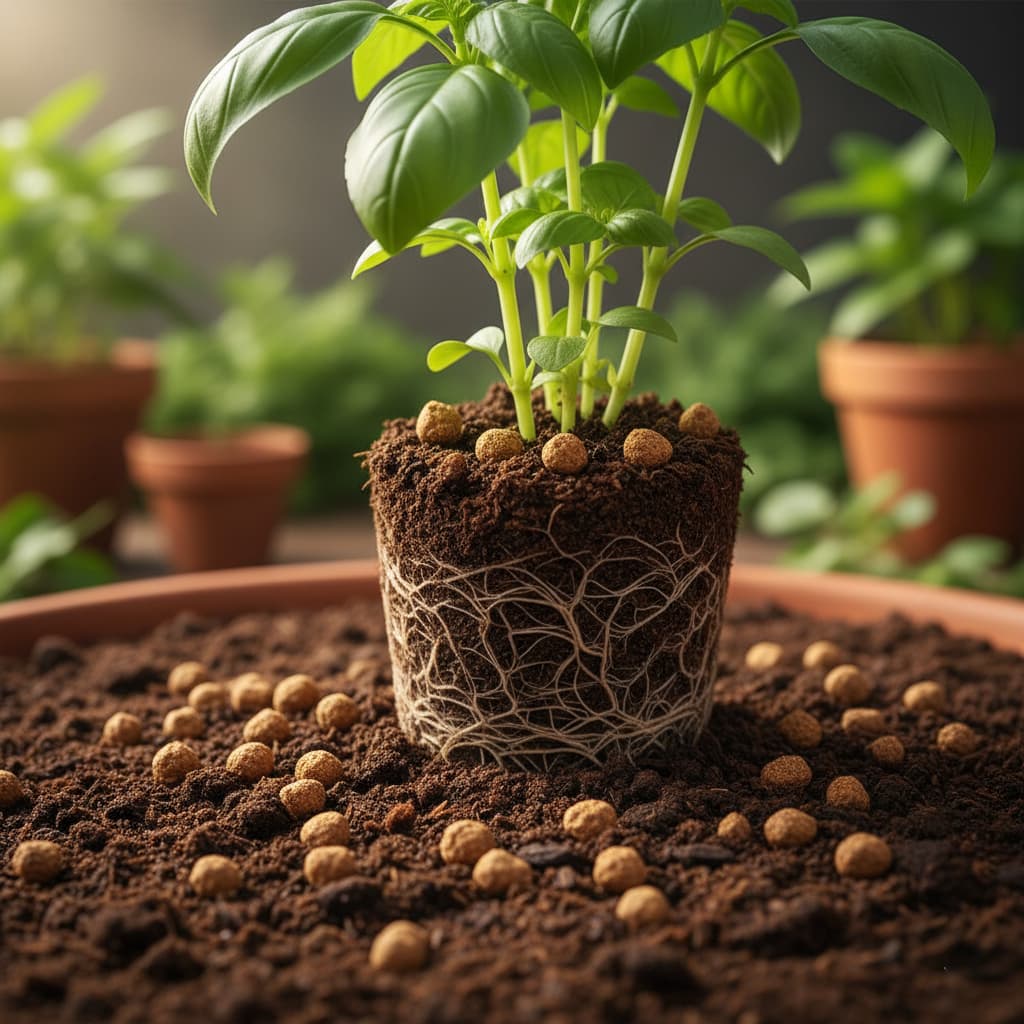
In an era where sustainable practices are no longer just an option but a necessity, both home gardeners and commercial farmers are constantly seeking natural ways to enhance soil health and crop yield. The challenge? Ensuring that the vital nutrients we provide to our soil actually stay there, available for our plants, rather than being lost to leaching or runoff. This is where a remarkable, age-old solution steps in: neem. Often celebrated for its pest-repelling qualities, neem offers a profound, yet often overlooked, benefit to your garden: its incredible impact on soil nutrient retention. Let’s delve into how this natural wonder can revolutionize the way your soil holds onto the goodness your plants crave.

What is Neem Cake? More Than Just a Natural Pesticide
When we talk about neem’s role in the soil, we’re primarily referring to neem cake. This isn’t just any garden amendment; it’s the nutrient-rich residue left behind after the oil has been extracted from neem seeds. While the oil is famous for its pesticidal properties, the cake is a powerhouse for soil. It naturally contains a significant array of essential plant nutrients, including nitrogen (N), phosphorus (P), and potassium (K), along with vital micronutrients. But neem cake is far more than just a slow-release fertilizer. It’s a sophisticated soil conditioner that works on multiple levels, both nourishing your plants directly and creating an environment where other nutrients can thrive.
The Science Behind Neem’s Nutrient Retention
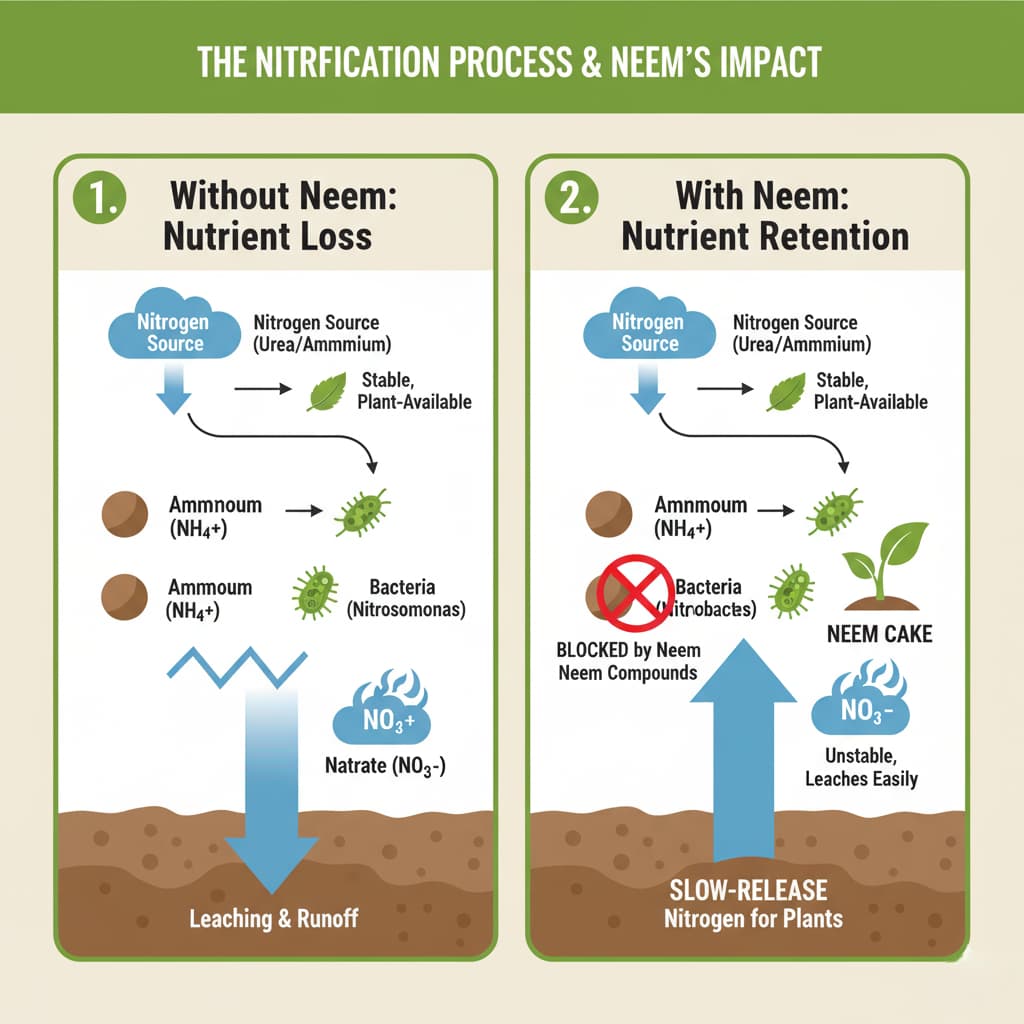
The magic of neem cake in nutrient retention lies deep within its unique organic compounds. To truly appreciate its impact, we need to understand a common enemy of soil fertility: nitrification. Nitrification is a natural process where certain soil bacteria convert beneficial ammonium (a stable form of nitrogen that plants can readily use and that binds well to soil particles) into nitrites and then into nitrates. While nitrates are also a form of nitrogen plants can absorb, they are highly water-soluble and easily leached away from the root zone with rain or irrigation. This means a significant portion of applied nitrogen fertilizer can be lost before your plants even get a chance to use it. This is where neem steps in as a game-changer. Neem cake contains potent triterpenoid compounds, such as nimbin, salannin, and azadirachtin. These compounds act as powerful nitrification inhibitors.
How Neem’s Slow-Release Nitrogen Works
The primary benefit of this nitrification inhibition is clear: efficient nitrogen utilization. When nitrogen is released slowly, plants have a consistent supply over their growth cycle. This leads to reduced nutrient leaching, improved nutrient uptake, and healthier plant growth. A steady supply of nitrogen results in more robust foliage, stronger stems, and overall vigorous plant development.
Enhancing Microbial Life and Soil Structure
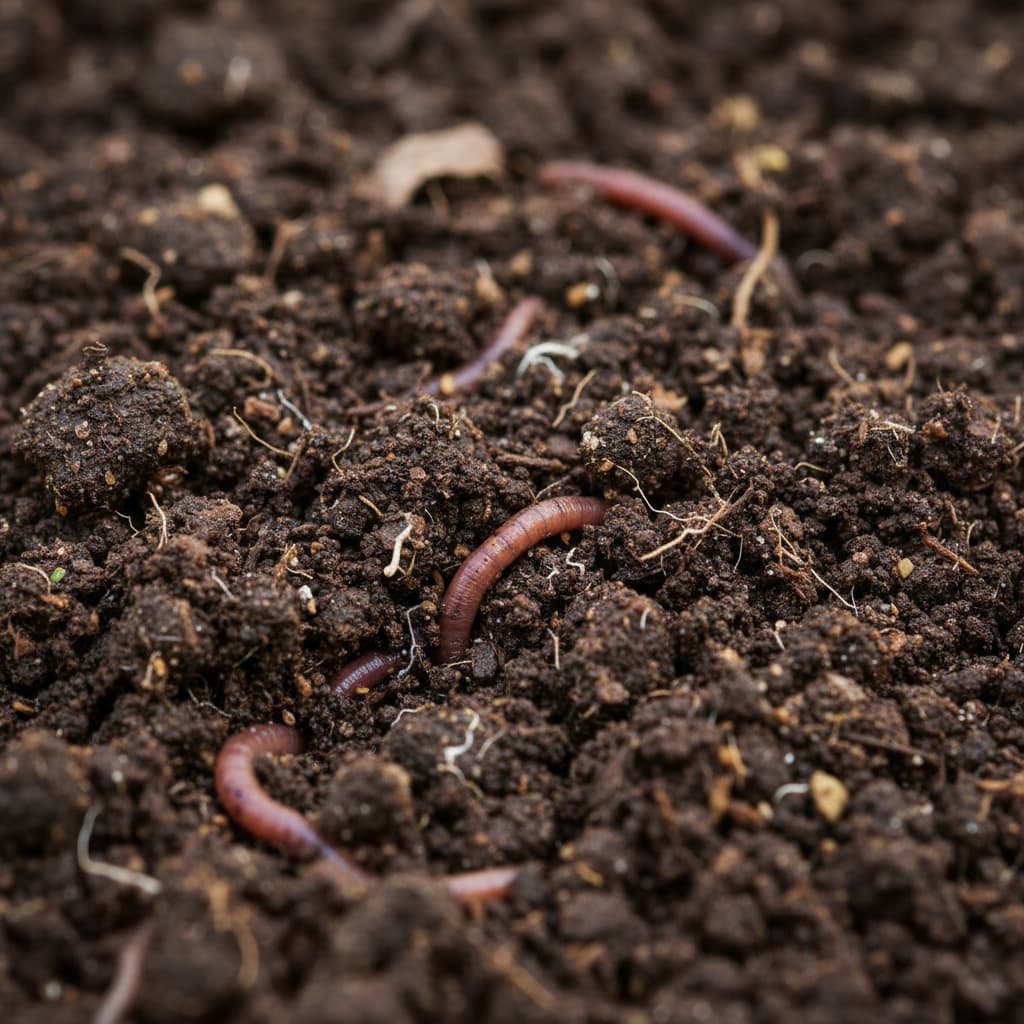
Neem’s benefits extend beyond just nitrogen. Its organic matter enriches the soil, providing food for a diverse community of beneficial microorganisms. A healthy soil microbiome is crucial for nutrient cycling, disease suppression, and improved soil structure. Neem also has a positive impact on earthworms, often considered the engineers of healthy soil. By creating a more stable and nutrient-rich environment, neem indirectly supports these vital creatures, further improving soil aeration and drainage.
A Practical Guide to Using Neem in Your Garden
- Before Planting: Mix neem cake directly into your soil amendments during bed preparation. A general guideline is about 100-200 grams per square meter, or a handful per plant hole, depending on plant size and soil needs.
- Existing Plants (Top Dressing): For established plants, gently rake neem cake into the top layer of soil around the plant’s base. Be sure to water thoroughly afterward to help the nutrients begin to break down and penetrate the soil.
- Neem Tea (Liquid Fertilizer): For a quick nutrient boost, steep neem cake in water for a few days to create a nutrient-rich “neem tea.” Strain and use this liquid to water your plants. This method ensures rapid nutrient delivery.
- Timing: Apply neem cake during the early stages of plant growth and repeat every 4-6 weeks during the growing season, or as your plant’s needs dictate.
The Broader Impact: Sustainability and Cost-Effectiveness
Choosing neem for nutrient retention isn’t just good for your plants; it’s a responsible choice for the planet and your wallet. By minimizing nutrient leaching, you significantly reduce the need for synthetic nitrogen fertilizers. This translates to environmental protection, a reduced carbon footprint, and cost savings.
Conclusion: The Future of Your Garden is Natural
The humble neem tree offers a profound solution to one of gardening’s oldest challenges: ensuring soil nutrients stay where they belong. Its unique ability to inhibit nitrification, enrich microbial life, and improve soil structure makes it an indispensable tool for anyone committed to sustainable and productive gardening. By harnessing neem’s power, you’re not just feeding your plants; you’re building a healthier, more resilient soil ecosystem for the long term.
Ready to revolutionize your garden’s soil naturally? Explore our range of organic neem products today and start your journey toward a healthier, more productive garden.