
In the vast world of agriculture, where modern practices often collide with traditional wisdom, neem stands as a timeless symbol of nature’s power. It’s a tree that has quietly supported farmers for centuries, helping them grow healthier crops while safeguarding the environment. But in today’s world of climate change and dwindling resources, neem isn’t just a traditional remedy — it’s a game-changer for sustainable agriculture. Here’s why:
1. Nature’s Ultimate Pest Controller
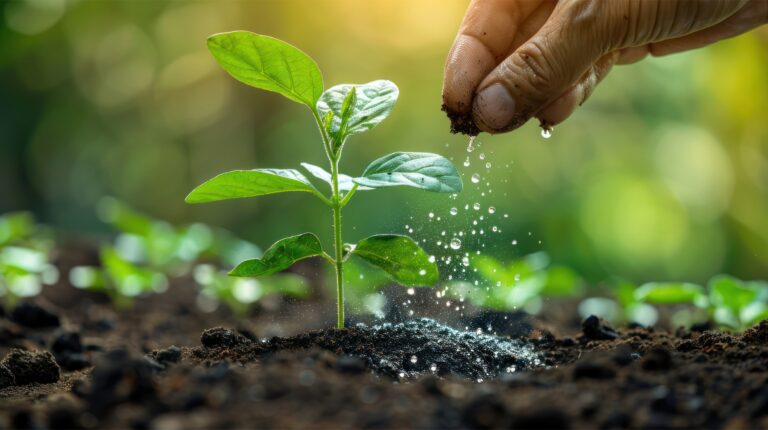
Farmers around the globe are often faced with the question: How do you protect crops without harming the environment? Enter neem. Neem extracts act as a natural pesticide that doesn’t just kill pests — it disrupts their life cycle. Unlike harsh chemical pesticides, neem doesn’t poison; it confuses. Pests lose their ability to feed, reproduce, or grow, leaving crops safe and ecosystems untouched. This means you get healthy crops, fewer pests, and a soil rich with life, all without resorting to chemicals that could do more harm than good.
2. Neem Restores the Balance
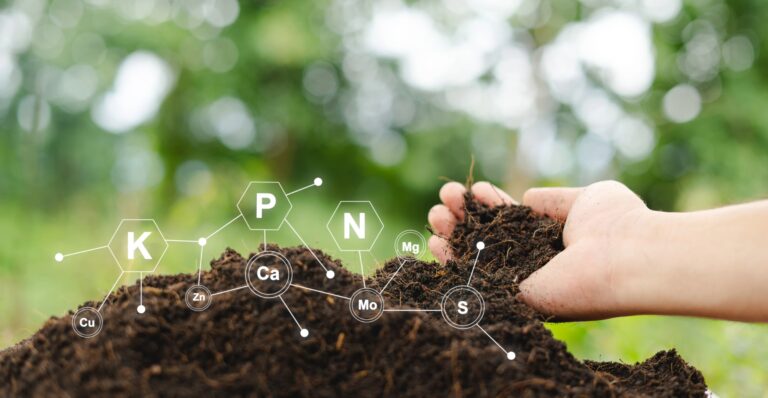
Ever heard the saying, “Too much of anything is bad”? This is especially true in agriculture, where the overuse of synthetic fertilizers and pesticides has wreaked havoc on soil health. Neem, on the other hand, is like nature’s gentle healer. Neem-based bio-fertilizers help restore the soil’s natural fertility, enriching it with essential nutrients and organic matter. Instead of depleting the land, neem-based solutions rebuild the soil’s health, ensuring that the next crop season is just as bountiful.
3. Eco-Friendly and Farmer-Friendly
For small-scale farmers, sustainability isn’t just about protecting the earth — it’s about survival. Neem is not only effective, but also affordable. In many regions, neem trees grow abundantly, allowing farmers to tap into this resource at little or no cost. Neem-based solutions are easy to prepare, making them an economical choice for farmers who want to move away from expensive synthetic alternatives. Plus, since neem doesn’t pollute water sources or poison the surrounding flora and fauna, it helps farmers maintain a healthy environment for their communities.

4. Neem Promotes Biodiversity
When you use synthetic chemicals, you often destroy more than just the pests. Beneficial insects, pollinators like bees, and other important wildlife are often caught in the crossfire. Neem, however, is selective. It targets harmful pests while leaving helpful organisms unharmed. This allows for the flourishing of biodiversity — bees can continue pollinating, birds can continue nesting, and earthworms can keep enriching the soil. By choosing neem, farmers are actively supporting the natural balance of life on their farms.

5. Long-Lasting Impact with Minimal Effort
Neem doesn’t just treat the symptoms; it gets to the root of the problem — quite literally! Neem has deep systemic properties, which means it gets absorbed by the plant and offers protection from within. Whether it’s fending off pests or promoting growth, neem’s impact lasts long after it’s been applied. This saves farmers time and effort while providing lasting benefits to the crops.
6. Fighting Climate Change One Tree at a Time
Sustainable agriculture isn’t just about what you grow — it’s about how you grow it. Neem trees are climate warriors in their own right. They thrive in hot, dry conditions, making them perfect for regions affected by desertification or drought. As the world grapples with climate change, neem offers a solution that helps both the land and the atmosphere. By planting neem trees, farmers not only benefit from its agricultural uses but also contribute to carbon sequestration, helping to reduce greenhouse gases in the long run.

7. A Legacy of Sustainability
For centuries, neem has been a cornerstone of traditional agricultural practices in countries like India. But it’s not just the past that neem is a part of — it’s the future. As the global movement towards organic and sustainable farming grows, neem is poised to take center stage. Its ability to naturally support crop growth, reduce the need for chemicals, and improve soil health makes it a crucial tool in the fight for sustainable farming practices.
Conclusion: Neem — A Hopeful Future for Agriculture
In a world where we’re constantly searching for greener solutions, neem reminds us that sometimes the answers lie in our past. Its versatility, affordability, and eco-friendly nature make it more than just a tree — it’s a game-changer. Neem bridges the gap between tradition and innovation, offering a solution that can sustain our farms, our environment, and our future. For farmers, agricultural businesses, and consumers alike, neem represents hope. A hope that, together, we can grow crops in harmony with nature, ensuring a healthier planet for generations to come.
It’s time to embrace neem — not just as a natural remedy, but as a critical tool in our mission for sustainable agriculture